Free Photoshop Patterns
Free Photoshop patterns in PAT format to fill backgrounds, textures, and surfaces with a single click. Choose from geometric, floral, vintage, and minimal designs, each seamlessly tileable and ready to download for any personal or commercial project.
Browse Patterns

Doodled PS free patterns: evenin
Forget me not PS Patterns
Dooffy Patterns
Exotic Polkadots Patterns
Free Photoshop Flower Pattern
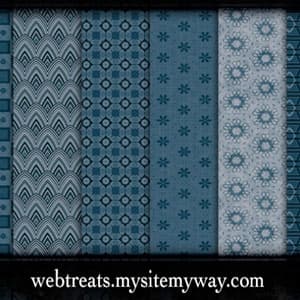
Midnight Blue Photoshop Patterns
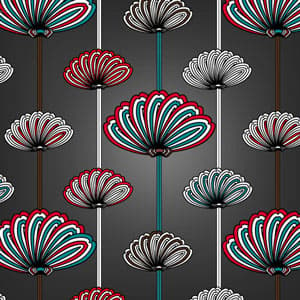
Flower Wallpaper Patterns
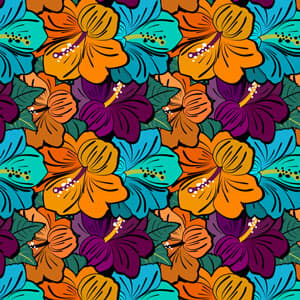
Very flowery PS free patterns
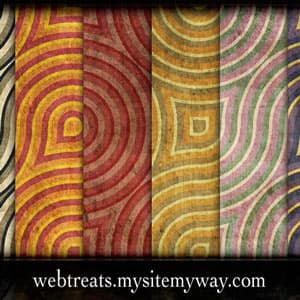
9 Retro Grunge Wallpaper Pattern

12 Grunge Stripes Patterns
12 Free High Resolution Fabric
Scandinavian Style Simple Pattern
Flower Fields

Floral pattern
Spring blossoms patterns

Wallpaper patterns
Paper flowers pattern
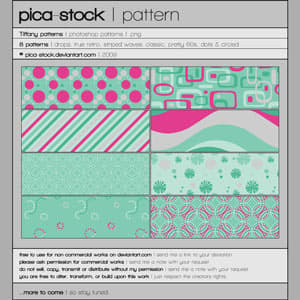
Tiffany Patterns by pica-stock
Rooster Patterns
Swirls Patterns
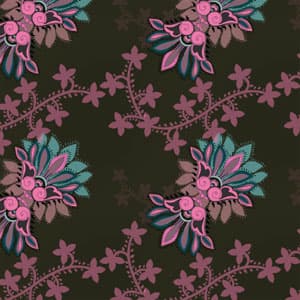
Stylized floral ornament pattern

Seamless Background October
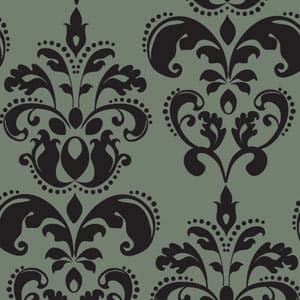
Free Seamless Background
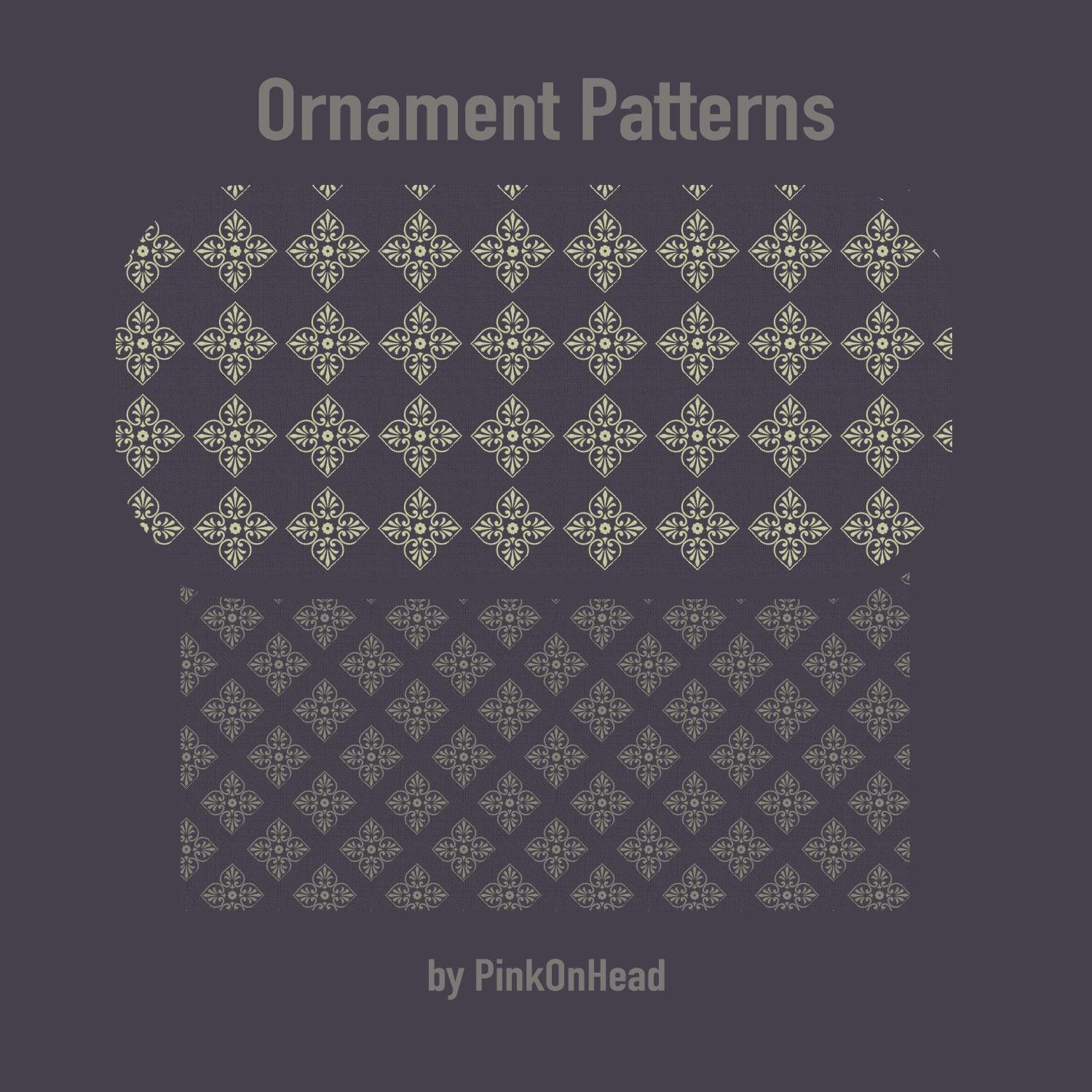
12 Free Ornament Photoshop Patterns
How to install Photoshop patterns in 2026
A .PAT file is Photoshop's pattern preset format. It is not an image you open. It is a small library that holds one or more tiles, each one a raster square Photoshop repeats edge to edge. Download a .PAT from any card on this page, then double-click it. Photoshop loads the whole set into its preset database and appends the tiles to the bottom of the Patterns panel, grouped under the pack's original name.
If double-clicking does nothing, open Window → Patterns, click the panel menu in the upper-right corner, and choose Import Patterns. The same menu lets you rename groups, reorder them, and delete sets you no longer need. On Photoshop CS6 and older the equivalent lives in Edit → Presets → Preset Manager, with Patterns selected in the dropdown.
Once a set is loaded, the fastest way to use it is a Pattern fill layer: Layer → New Fill Layer → Pattern. That keeps the tile live, so you can rescale it or swap it for another one later without touching the pixels underneath. Patterns also show up wherever Photoshop offers a texture: the Pattern Overlay in Layer Styles, the Bevel & Emboss texture slot, and the Pattern Stamp tool. Because a fill layer carries its own mask, you can paint the pattern in and out with a black brush instead of erasing.
One thing surprises people: a .PAT bundles the tiles inside itself, so the original PNGs are not shipped alongside it. Photoshop compresses each tile into the preset file and never writes it back out as an image. That is fine while you stay in Photoshop, but it means you cannot hand the tile to Figma, a CSS background, or Procreate by copying a file out of the download.
If that is where you are stuck (you have a .PAT and you need the flat tile back as an image), there is a way out. Photoshop can rebuild the tile at its exact original pixel size, and our guide to recovering the original PNG tile from a .PAT file walks through the measurement trick that gets you there without guessing at dimensions.
The other way around the problem is to skip the preset format altogether. Texture packs that ship as plain JPG images have no container to unpack, so the same file opens in Procreate, Affinity Photo, and Krita exactly like any photo. You give up the one-click tiling a Photoshop pattern gives you and place the image as a layer instead, but the file travels everywhere you work.